








News
What is FPI in Electrical Systems? A Complete Guide to Fault Passage Indicators
Date:2026-03-24
In modern power distribution networks, quickly locating faults is critical to maintaining system reliability and minimizing downtime. One essential device that enables this is the Fault Passage Indicator (FPI).
This article explains what FPI is, how it works, and why it is widely used in medium-voltage (MV) electrical systems.
1. What is FPI (Fault Passage Indicator)?
A Fault Passage Indicator (FPI) is a device installed along electrical distribution lines to detect and indicate the passage of fault current.
It helps engineers quickly identify the faulted section of a network without manually inspecting the entire line.
FPIs are commonly used in:
- Medium-voltage overhead lines
- Underground cable networks
- Ring main units (RMU)
- Secondary substations
2. Why is FPI Important in Power Distribution?
When a fault occurs (such as a short circuit or earth fault), utilities face two major challenges:
- Locating the fault quickly
- Restoring power efficiently
FPI devices solve these problems by providing real-time fault indication.
Key Benefits:
- ✅ Faster fault location
- ✅ Reduced outage time
- ✅ Improved grid reliability
- ✅ Lower operational costs
- ✅ Reduced manual inspection
3. How Does an FPI Work?
An FPI continuously monitors the current flowing through a conductor.
When a fault occurs:
- The current exceeds a predefined threshold
- The FPI detects the abnormal condition
- The device activates an indicator
Indication Methods:
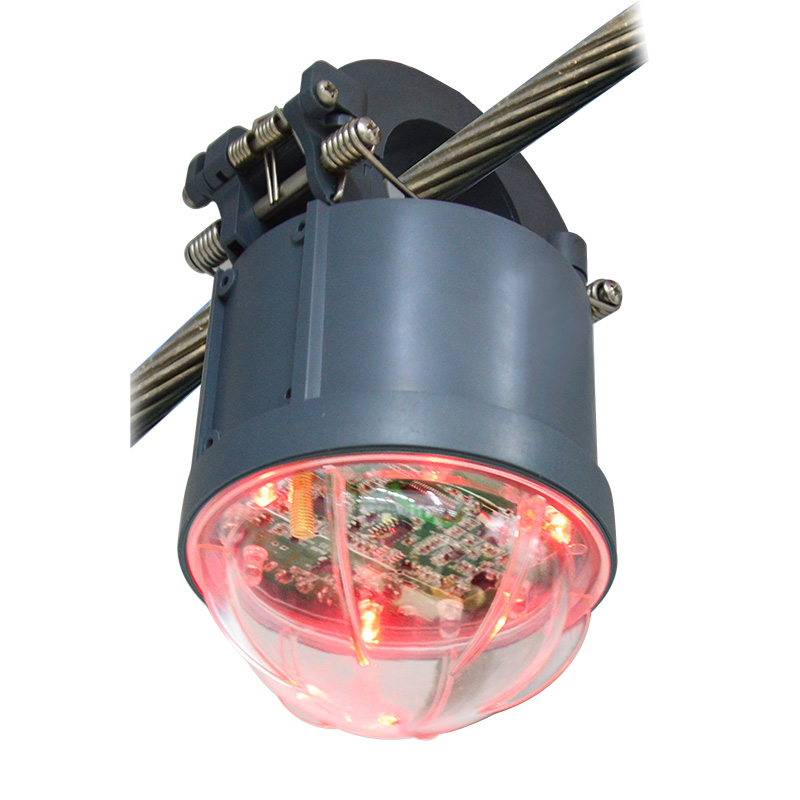
- Visual (LED flashing or mechanical flag)
- Remote signal (SCADA / IoT platform)
Advanced Features:
- Earth fault detection
- Short circuit detection
- Fault direction detection
- Auto-reset or manual reset
4. Types of Fault Passage Indicators
Depending on the application, FPIs can be classified into:
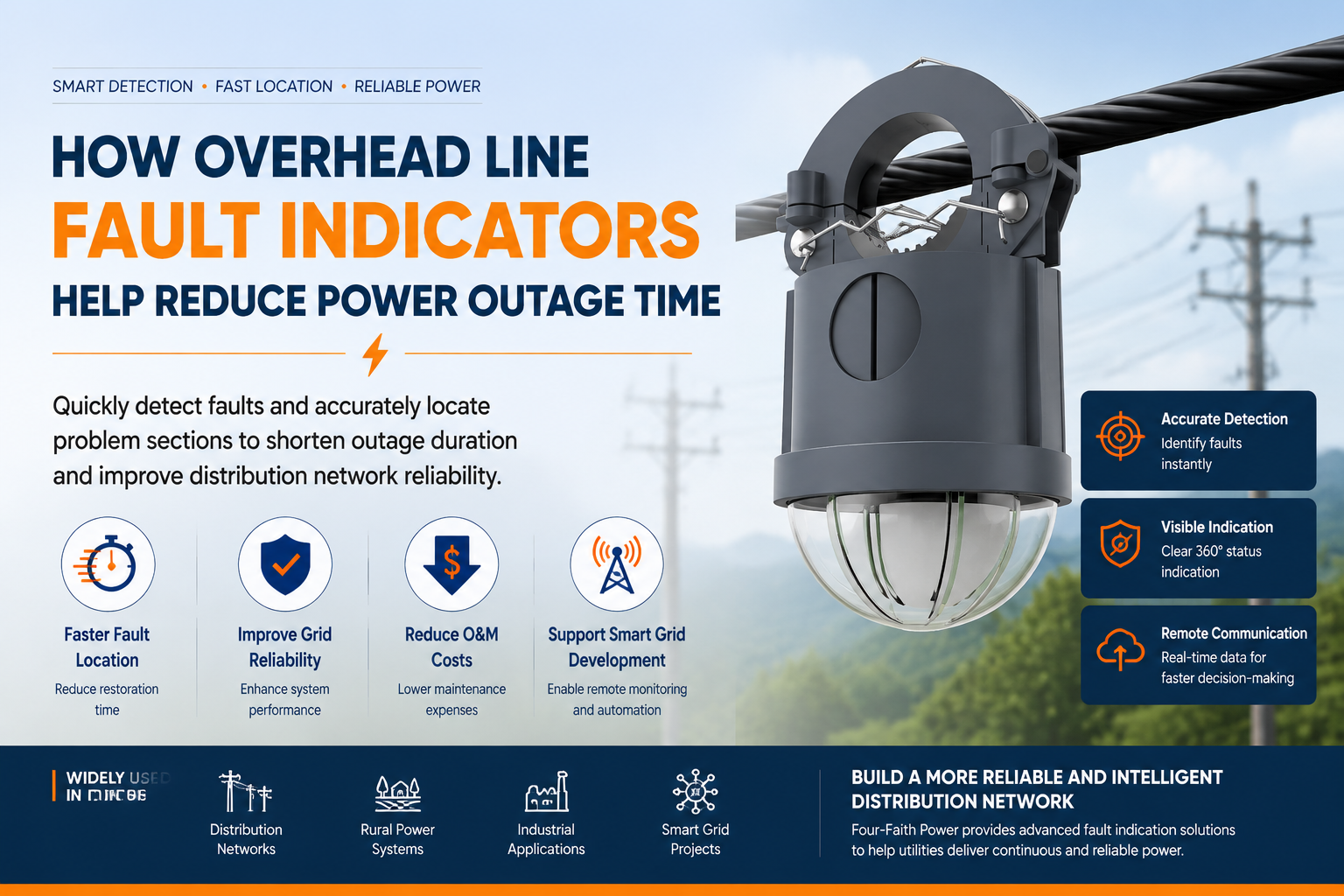
🔹 Overhead Line FPI
Installed on poles for overhead distribution networks
🔹 Underground Cable FPI
Used in cable systems and RMUs
🔹 Short Circuit Indicator
Detects high fault currents
🔹 Earth Fault Indicator
Detects leakage or ground faults
5. Key Features of Modern FPI Devices
With the development of smart grids, FPIs have evolved into intelligent devices.
Typical Features:
- Wireless communication (GPRS / LoRa / NB-IoT)
- SCADA integration
- Remote monitoring and control
- High sensitivity detection
- Battery-powered operation
- Harsh environment resistance
6. Applications of FPI
FPIs are widely used in:
- 11kV / 22kV / 33kV distribution networks
- Smart grid systems
- Industrial power systems
- Renewable energy plants (solar & wind)
- Urban and rural power grids
7. Choosing the Right FPI for Your System
When selecting an FPI, consider:
- Voltage level (e.g., 11kV / 33kV)
- Installation type (overhead or cable)
- Communication requirements
- Reset method
- Environmental conditions
8. Conclusion
A Fault Passage Indicator (FPI) is a critical component in modern electrical distribution systems. It enhances fault detection efficiency, improves reliability, and supports the transition toward smart grid infrastructure.
For utilities and industrial users, investing in reliable FPI solutions means faster fault response, reduced downtime, and optimized operational performance.
RECOMMEND NEWS

RECOMMEND PRODUCTS
top
- Products
- Distribution Automation
- Outdoor Apparatus
- Fault Circuit Indicator
- Industrial Wireless Communication
- Software
- Solutions
- Utility Solutions
- Infrastructure Solutions
- Services
- Documents & Software
- Support
- Business Case
- Video
- about us
- Company
- Contact us
- Subscribe
- Career

Mobile viewing


© Copyright 2026 by www.fourfaithpower.com. All Rights Reserved. 闽ICP备08106834号-8