






News
The different between FTU and RTU
Date:2025-12-11
FTU (Feeder Terminal Unit) is a specialized type of RTU (Remote Terminal Unit) focused on monitoring and controlling individual power feeder switches (like breakers on 10kV lines) for fault detection and automation, while an RTU is a broader, more versatile device for general remote data acquisition and control of various industrial assets, acting as the bridge to a central SCADA system. Think of FTU as a dedicated feeder expert, and RTU as the general field controller, with FTUs often being integrated into the larger RTU framework or performing RTU-like functions for feeders.
FTU (Feeder Terminal Unit)
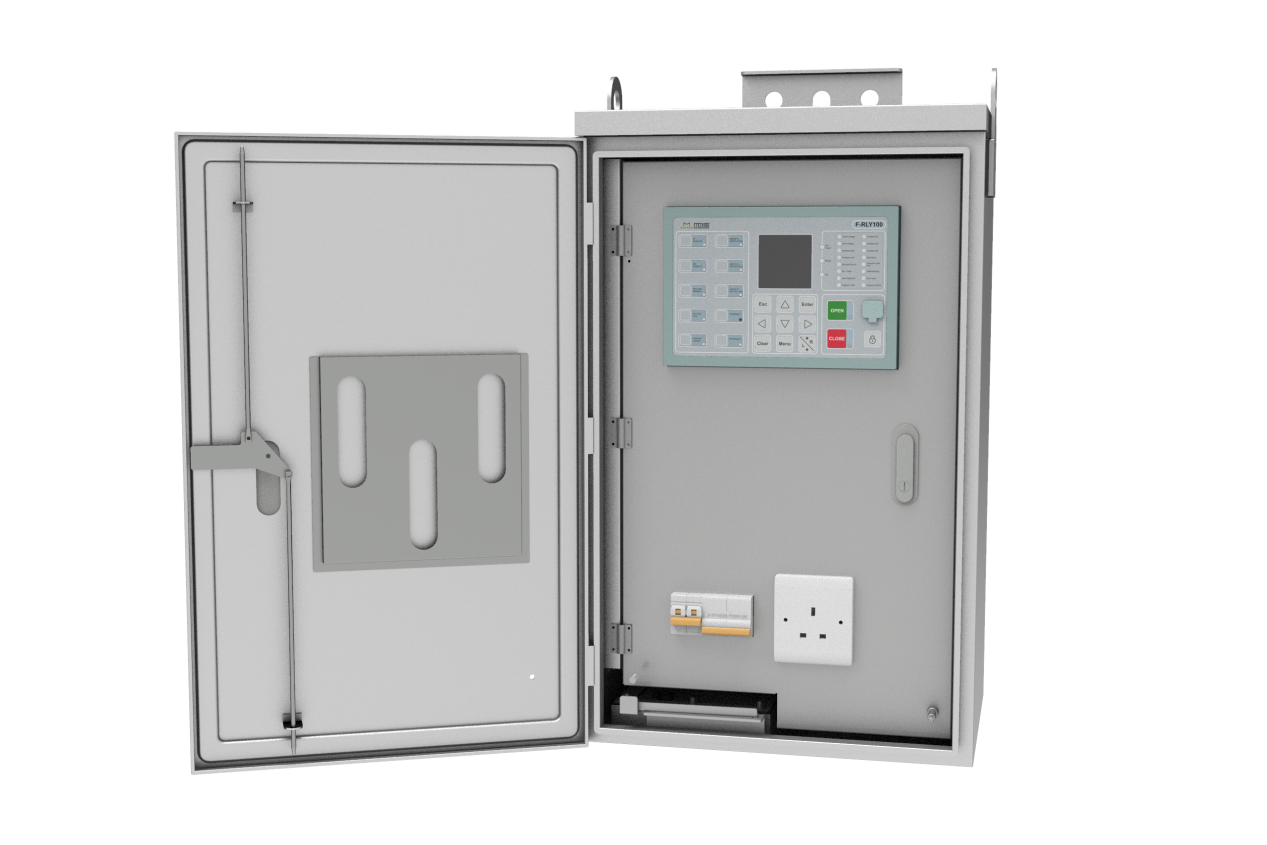
Focus:
Specific to electrical distribution feeders (lines from substations).
Function:
Monitors and controls feeder switches (breakers, load switches, etc.), measures three-phase parameters, detects faults, and executes remote commands for feeder automation.
Location:
Installed near the switches on the feeders, often pole-mounted.
Key Role:
Automates fault isolation and restoration on feeders.
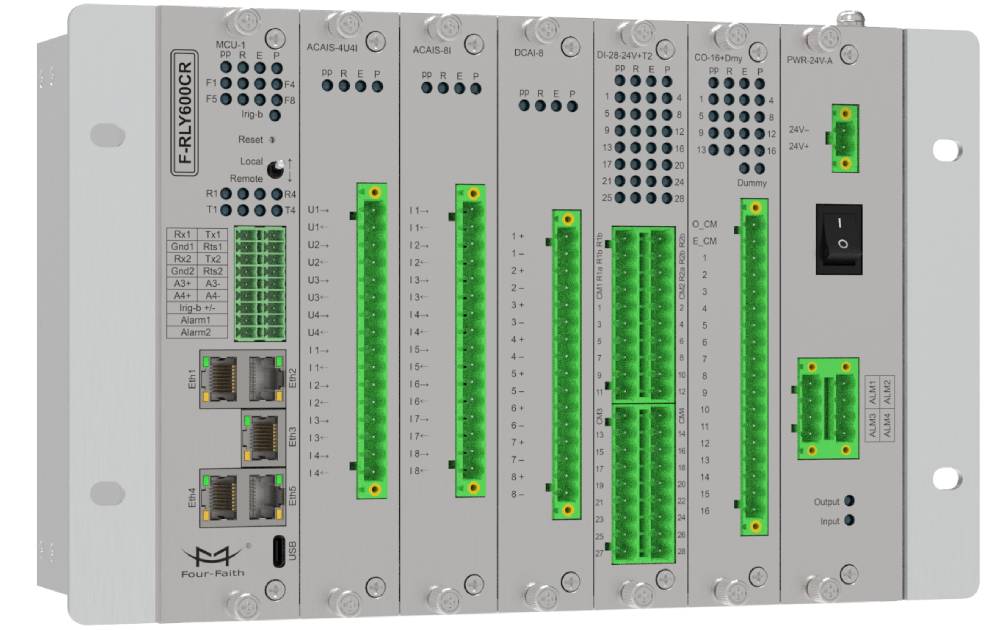
Focus:
General purpose for various industrial sites and equipment.
Function:
Collects data, monitors, and controls a wide range of field devices (transformers, pumps, etc.) and transmits telemetry to SCADA.
Location:
Can be anywhere in the field, from substations to remote sites.
Key Role:
The primary interface for remote monitoring and control in SCADA systems, with strong communication and environmental resilience.
Key Differences
Scope:
FTU is specialized for feeders; RTU is general purpose for overall system control.
Functionality:
FTU is geared towards feeder protection and automation; RTU handles broader telemetry and control.
Relationship:
An FTU can be considered a specialized form or component within a larger RTU-based distribution automation system, often communicating with the main RTU or master station.


top
- Products
- Distribution Automation
- Outdoor Apparatus
- Fault Circuit Indicator
- Industrial Wireless Communication
- Software
- Solutions
- Utility Solutions
- Infrastructure Solutions
- Services
- Documents & Software
- Support
- Business Case
- Video
- about us
- Company
- Contact us
- Subscribe
- Career

Mobile viewing


© Copyright 2026 by www.fourfaithpower.com. All Rights Reserved. 闽ICP备08106834号-8