






News
Load Break Switches in Modern Power Distribution Networks
Date:2026-02-28
In modern power distribution networks, reliability and safety are everything. One key device that helps achieve both is the Load Break Switch (LBS). But what exactly is it, and why is it so important in medium-voltage distribution systems?
Let’s break it down in a practical and engineering-focused way.
What Is a Load Break Switch?
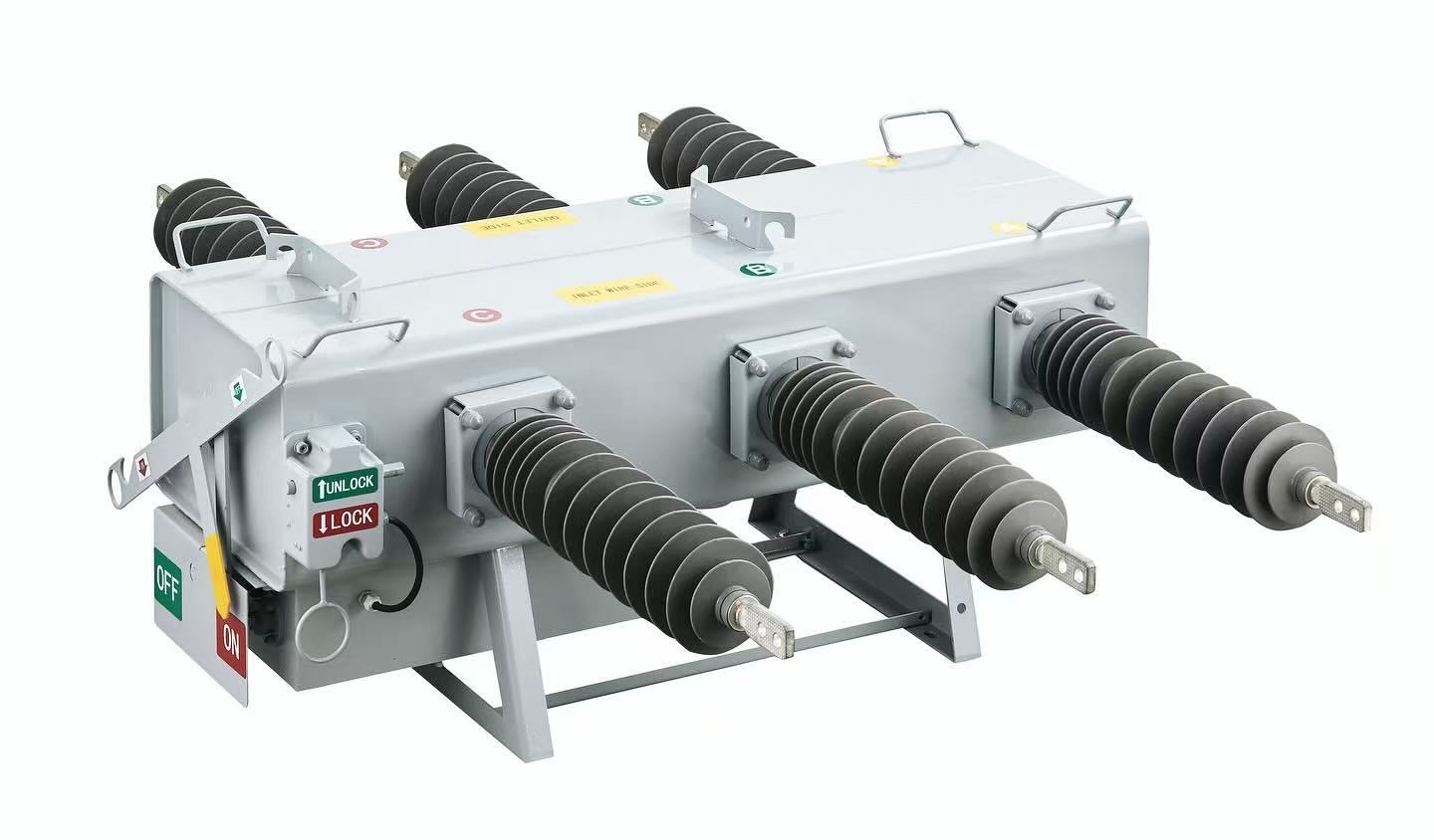
A Load Break Switch (LBS) is a switching device designed to make (close), carry, and break (open) electrical currents under normal load conditions within a specified voltage range.
Unlike a simple isolator (disconnect switch), an LBS is capable of interrupting current safely while the circuit is energized and carrying load.
However, it is important to understand:
An LBS is not designed to interrupt short-circuit fault currents (unless combined with a fuse or protection relay).
Where Is LBS Used?
Load Break Switches are widely used in:
lMedium-voltage distribution systems (typically 3.6kV – 36kV)
lRing Main Units (RMU)
lSecondary substations
lOverhead and underground distribution networks
lIndustrial power distribution panels
They are commonly found in:
lUtility substations
lCommercial buildings
lRenewable energy systems
lIndustrial plants
Role of LBS in Distribution Systems
In a power distribution system, the Load Break Switch serves several key purposes:
1. Load Switching
lThe primary function of an LBS is to:
lSwitch feeders on or off under normal operating conditions
lIsolate sections of the network for maintenance
lReconfigure distribution networks
lThis helps utilities maintain flexibility and continuity of service.
2. Sectionalizing the Network
In ring distribution systems, LBS units allow operators to:
lIsolate faulty sections
lRestore power to unaffected areas
lMinimize outage time
This is particularly important in urban power grids where reliability standards are high.
3. Equipment Protection (When Combined with Fuses)
lWhen paired with current-limiting fuses, an LBS can:
lInterrupt fault currents
lProtect transformers and downstream equipment
lProvide economical protection solutions
This configuration is commonly known as LBS + Fuse combination in transformer feeders.
How Does a Load Break Switch Work?
An LBS typically uses an arc extinguishing mechanism to interrupt current safely.
Depending on the design, it may use:
lAir (air-insulated LBS)
lSF₆ gas (gas-insulated LBS)
lVacuum interruption (vacuum LBS)
When the switch opens:
lContacts separate.
lAn arc forms due to current flow.
lThe arc is quickly extinguished by the arc control mechanism.
lCurrent flow stops safely.
The key difference from an isolator is the arc-quenching capability.
Types of Load Break Switches
1. Air Load Break Switch
lUses air as insulation medium
lCommon in overhead distribution
lLower cost
lRequires larger installation space
2. SF₆ Gas Load Break Switch
lUses SF₆ gas for insulation and arc extinction
lCompact structure
lWidely used in RMU and compact substations
lExcellent dielectric strength
3. Vacuum Load Break Switch
lUses vacuum interrupter technology
lLong mechanical life
lEnvironmentally friendly alternative to SF₆
LBS vs Isolator vs Circuit Breaker
| Feature | Load Break Switch | Isolator | Circuit Breaker |
| Breaks load current | ✅ Yes | ❌ No | ✅ Yes |
| Breaks fault current | ❌ No (unless fused) | ❌ No | ✅ Yes |
| Arc extinguishing system | ✅ Yes | ❌ No | ✅ Yes |
| Cost | Medium | Low | High |
| Protection capability | Limited | None | Full protection |
In simple terms:
Isolator → Mechanical isolation only
Load Break Switch → Load switching
Circuit Breaker → Full protection & fault interruption
Typical Ratings of LBS
Common technical specifications include:
lRated Voltage: 11kV / 15kV / 24kV / 33kV
lRated Current: 400A / 630A
lShort-time withstand current: 16kA / 20kA (1s or 3s)
lMechanical life: 2000–5000 operations
These values vary depending on manufacturer and application.
Why Is LBS Important in Modern Power Systems?
In distribution networks, especially in:
lSmart grids
lRenewable integration
lUrban ring networks
LBS provides:
✔ Operational flexibility
✔ Safer maintenance
✔ Reduced downtime
✔ Cost-effective switching solution
✔ Compact installation for RMU systems
It is one of the most economical and essential switching devices in medium-voltage systems.
Conclusion
A Load Break Switch (LBS)
A Load Break Switch (LBS) is a medium-voltage switching device designed to safely interrupt normal load currents in distribution systems. While it cannot independently clear fault currents like a circuit breaker, it plays a crucial role in:
· Network sectionalizing
· Load management
· Transformer protection (with fuses)
· Distribution reliability
In short, if circuit breakers are the “protectors” of the system, Load Break Switches are the flexible operators that keep distribution networks running efficiently.

top
- Products
- Distribution Automation
- Outdoor Apparatus
- Fault Circuit Indicator
- Industrial Wireless Communication
- Software
- Solutions
- Utility Solutions
- Infrastructure Solutions
- Services
- Documents & Software
- Support
- Business Case
- Video
- about us
- Company
- Contact us
- Subscribe
- Career

Mobile viewing


© Copyright 2026 by www.fourfaithpower.com. All Rights Reserved. 闽ICP备08106834号-8