






News
What is an Auto Recloser (ACR) and Why is it Important in Power Distribution?
Date:2025-12-08
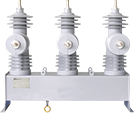
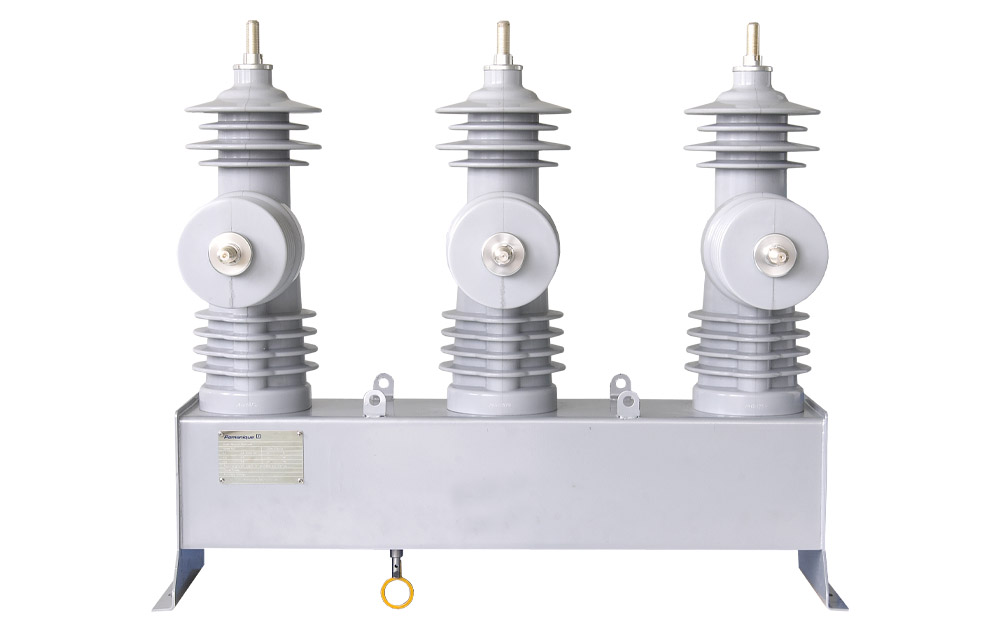
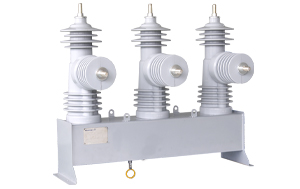
The Auto Recloser (ACR) is an essential device in power distribution networks, providing reliable electrical protection for overhead lines. Its main purpose is to detect and interrupt faults in the system, minimizing disruptions to consumers. The ACR operates by automatically opening and reclosing the circuit a set number of times. Equipped with a sophisticated relay, it ensures the line is restored once the fault is cleared, maintaining optimal service continuity. By automatically recovering from temporary faults, the ACR plays a critical role in delivering a stable and uninterrupted power supply.
What is an Auto Recloser (ACR)?
An Auto Recloser (ACR) is an automatic, high-voltage switching device installed in power distribution systems. Its main function is to detect and interrupt temporary faults (like short circuits caused by lightning, tree branches, or transient overcurrent) and then automatically restore the power after a short period.
Unlike traditional circuit breakers, which require manual intervention after tripping, an ACR can open and close the circuit multiple times automatically, hence the name auto recloser. This feature significantly improves system reliability by reducing unnecessary outages.
How Does an ACR Work?
The operation of an Auto Recloser generally follows these steps:
Fault Detection
The ACR continuously monitors the current in the power line. When it detects an abnormal surge (indicative of a fault), it trips and interrupts the flow of electricity.
Reclosing Attempts
After a short delay, the ACR automatically closes the circuit to restore power. It usually attempts this 3–4 times at predefined intervals.
Lockout
If the fault persists after multiple attempts, the ACR locks out, preventing further reclosing and signaling the need for manual intervention by maintenance crews.
This cycle ensures that temporary faults are cleared automatically without human intervention, while permanent faults are isolated to prevent equipment damage.
Key Benefits of Using an ACR
Improved Reliability
By automatically restoring power after temporary faults, ACRs reduce the frequency and duration of outages.
Reduced Operational Costs
Fewer manual interventions mean lower maintenance costs and reduced need for field crew deployment.
Enhanced Safety
ACRs protect both the equipment and the public by isolating persistent faults and preventing damage to lines and transformers.
Better Power Quality
Minimizing interruptions ensures stable voltage and current, which is critical for sensitive industrial equipment and residential consumers.
Applications of Auto Reclosers
ACRs are commonly used in:
Distribution networks
Protecting medium-voltage lines (typically 4kV–38kV) from transient faults.
Renewable energy systems
Ensuring stable power flow in solar or wind farms.
Industrial facilities
Maintaining continuous power supply and preventing downtime in critical operations.
Conclusion
The Auto Recloser is a vital component in modern power distribution systems, balancing reliability, safety, and cost-effectiveness. By automatically handling temporary faults and isolating permanent ones, ACRs play a crucial role in keeping electricity flowing smoothly to homes, businesses, and industries.
For utilities and engineers, understanding and implementing ACRs is essential for efficient grid management and enhanced power system performance.

top
- Products
- Distribution Automation
- Outdoor Apparatus
- Fault Circuit Indicator
- Industrial Wireless Communication
- Software
- Solutions
- Utility Solutions
- Infrastructure Solutions
- Services
- Documents & Software
- Support
- Business Case
- Video
- about us
- Company
- Contact us
- Subscribe
- Career

Mobile viewing


© Copyright 2026 by www.fourfaithpower.com. All Rights Reserved. 闽ICP备08106834号-8