






News
Key Specifications to Consider When Selecting a Load Break Switch
Date:2026-11-03
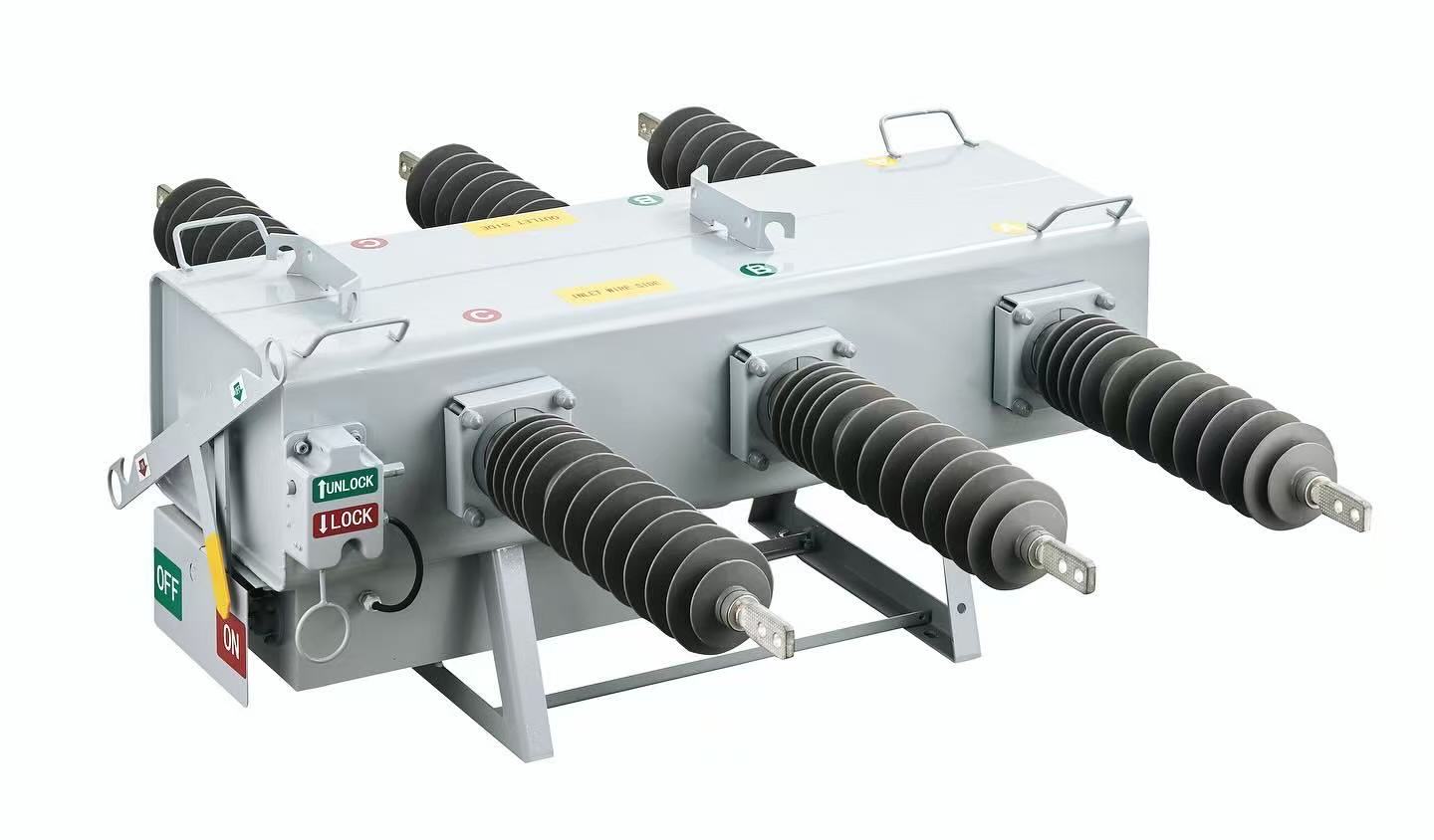
Selecting the right Load Break Switch (LBS) is essential for ensuring the safety, reliability, and efficiency of medium voltage power distribution systems. A suitable load break switch allows operators to safely connect and disconnect electrical circuits under normal load conditions while supporting reliable power distribution.
However, choosing an LBS involves more than checking its voltage and current ratings. Factors such as short-time withstand current, insulation level, operating mechanism, and installation environment also play an important role.
In this article, we will explore the key specifications to consider when selecting a Load Break Switch for medium voltage applications.
1. Rated Voltage
Rated voltage is one of the first specifications to check when selecting a load break switch. It must be compatible with the nominal voltage of the electrical distribution system.
Common medium voltage applications include 12 kV, 24 kV, and 36 kV systems, although available ratings depend on the equipment design and applicable standards.
When evaluating rated voltage, consider:
- Nominal system voltage
- Rated voltage of the equipment
- Maximum voltage for equipment (Um)
- Requirements of the local power distribution network
Selecting the appropriate voltage rating helps ensure reliable insulation performance under normal operating conditions.
2. Rated Current
Rated current refers to the maximum continuous current that a load break switch can carry under specified operating conditions without exceeding its temperature limits.
The selected rated current should meet the expected load requirements of the distribution system.
When choosing a load break switch, consider:
- Maximum continuous load current
- Expected load variations
- Future system expansion
- Operating temperature and installation conditions
A properly selected rated current helps prevent excessive heating and supports long-term equipment reliability.
3. Short-Time Withstand Current
Short-time withstand current indicates the ability of a load break switch to withstand the thermal and mechanical effects of short-circuit current for a specified duration.
This parameter is particularly important in medium voltage distribution networks, where equipment may be exposed to short-circuit stresses.
Key factors to check include:
- Rated short-time withstand current (kA)
- Rated duration, commonly specified in seconds
- Short-circuit withstand requirements of the system
- Coordination with upstream and downstream protection devices
It is important to understand that short-time withstand capability does not mean the load break switch can independently interrupt short-circuit fault current. This function generally requires a circuit breaker or an appropriately coordinated protection arrangement.
4. Insulation Level
Insulation performance directly affects the electrical safety and reliability of a load break switch.
When comparing different models, pay attention to two important insulation parameters:
-Power Frequency Withstand Voltage:- Indicates the ability of the insulation system to withstand power-frequency voltage for a specified test duration.
-Lightning Impulse Withstand Voltage: Indicates the ability of the equipment insulation to withstand transient overvoltages caused by lightning or switching operations.
The required insulation level should be selected according to the system voltage, installation conditions, and applicable standards.
5. Operating Mechanism
The operating mechanism determines how the load break switch is opened and closed.
Depending on the application, common operating options include:
- Manual Operation: Suitable for applications where local operation is sufficient.
- Motorized Operation:Allows electrical operation and can support remote control.
- Integrated Control: Can be incorporated into distribution automation systems when supported by the equipment design.
For modern distribution networks, motorized operation can improve operational flexibility and reduce the need for manual intervention.
6. Insulation Medium and Installation Environment
Load break switches are available with different insulation technologies, such as SF6 gas, air, and solid insulation.
Each technology has different characteristics in terms of insulation performance, environmental impact, maintenance requirements, and equipment design.
Installation conditions should also be considered:
- Indoor or outdoor installation
- Ambient temperature
- Relative humidity
- Installation altitude
- Dust, pollution, and other environmental conditions
For outdoor applications, the equipment should be designed to withstand the environmental conditions at the installation site.
7. Applicable Standards and Certifications
Compliance with relevant international standards helps ensure that a load break switch meets established requirements for design, testing, and performance.
For medium voltage load break switches, important standards include:
- IEC 62271-103:High-voltage switchgear and controlgear – Switches for rated voltages above 1 kV up to and including 52 kV.
- IEC 62271-1: Common specifications for high-voltage switchgear and controlgear.
Before purchasing, verify the applicable standard editions, product test reports, and certification documents provided by the manufacturer.
Conclusion
Selecting the right Load Break Switch requires a comprehensive evaluation of its electrical ratings, insulation performance, operating mechanism, and installation environment.
By checking rated voltage, rated current, short-time withstand current, insulation level, and applicable standards, engineers and procurement teams can make more informed equipment selection decisions.
Working with an experienced manufacturer is also important to ensure that the selected equipment meets the technical requirements of the power distribution project.
Looking for reliable medium voltage load break switch solutions?** Contact Four-Faith to learn more about our power distribution equipment and technical support.
top
- Products
- Distribution Automation
- Outdoor Apparatus
- Fault Circuit Indicator
- Industrial Wireless Communication
- Software
- Solutions
- Utility Solutions
- Infrastructure Solutions
- Services
- Documents & Software
- Support
- Business Case
- Video
- about us
- Company
- Contact us
- Subscribe
- Career

Mobile viewing


© Copyright 2026 by www.fourfaithpower.com. All Rights Reserved. 闽ICP备08106834号-8

